Copper & Aluminum Bus Bar Electroplating in Tin, Nickel, Silver, and Lead
All too often, electrical parts manufacturers send connectors to third-party electroplaters. The process can be lengthy and requires excess packaging, additional freight costs, lost time, and other hazards that commonly occur in shipping. When the plated components are returned for testing, even the slightest scratch in the plated surface can mean a failed inspection.
We’ve got the right equipment and tank capacity to perform both rack and barrel plating, along with a variety of plating materials to meet the environmental requirements dictated across different industry applications. Additionally, our specialized facility is equipped to nickel plate longer bars, ensuring even your largest-scale components receive a precision finish. Contact us today for all capabilities!
- Storm's Process Options
- Electroplating
- Electroless Nickel Plating
- Storm's Proprietary Cyanide-Free B700 Silver Plating (Flashing)
- Strike Plating—this is an ultra-thin coat of nickel, tin or other material that is applied before the final exterior plating finish.
- Rack & Barrel Plating
- Material Choices
- Substrates: Copper and Aluminum
- Finishes:
- Bright tin, Matte tin
- Nickel (Extended length capacity available)
- Silver - B700
- 100% Lead
- Various tin/lead alloys
When manufacturing requirements demand plating of full production runs or single prototype parts, our bulk plating process allows us to handle it like a champ. You’ll also benefit from our shorter lead times and the associated cost efficiencies resulting from zero set-up fees or minimum volume requirements. We are plating all day, every day, so your parts will always fit right into our plating schedule.
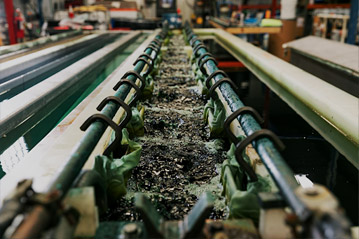
Full Immersion Electroplating
The anchor of Storm's electroplating process is extraordinary tank chemical titrations and solution maintenance. Together, this approach helps Team Storm provide a well-balanced and long-lasting plating solution. Both rack and barrel options immerse copper components into an electrolyte bath that produces a uniform coating over edges and the rounded surfaces of bus bar holes and bends. Once plating is complete, components are inspected using precision technology equipment to ensure material composition and thickness meet your specifications.